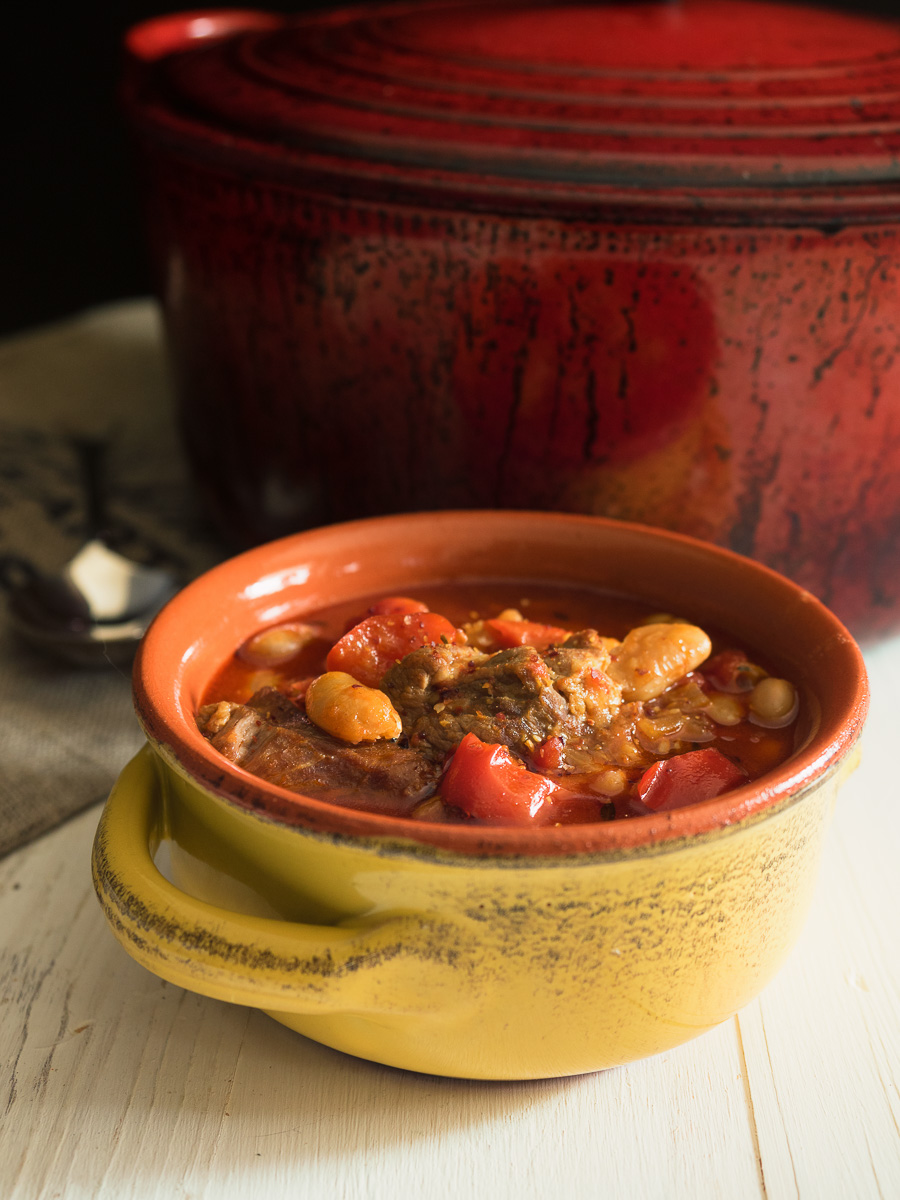
Spanish Lamb Stew: A Culinary Journey Through the Seasons
The mere mention of Spanish lamb stew conjures images of rustic kitchens and heartwarming aromas, yet this beloved dish possesses a remarkable versatility that defies a single seasonal definition. Far from being confined to winter, a well-crafted
spanish lamb stew can transition seamlessly from a lighter, brighter spring or summer offering to a rich, deeply warming winter meal. Its adaptability lies in a masterful blend of humble ingredients, elevated by the distinct character of Spanish cuisine. This article delves into the nuances of this iconic dish, exploring its historical roots, essential components, and how to tailor it to any time of year.
The enduring popularity of Spanish stews, particularly those featuring lamb, dates back centuries. In regions like Andalusia, where lamb has been abundant since the 1600s, these hearty preparations became a staple, beloved for their nourishing qualities and incredible flavour. The beauty of a traditional
spanish lamb stew recipe is its inherent flexibility, allowing cooks to "play a lot with the ingredients" and adapt it to personal taste or seasonal availability, while always ensuring that "all the flavors are absorbed and complement each other." For a deeper dive into its origins, explore
Traditional Spanish Lamb Stew: Andalusia's Hearty 17th Century Comfort Food.
The Dual Nature of Spanish Lamb Stew: A Seasonal Delight
The most fascinating aspect of
spanish lamb stew is its chameleon-like ability to adapt. While some stews are unequivocally winter fare, this one truly shines year-round, depending on subtle shifts in its preparation.
Spring & Summer: The Lighter, Brighter Stew
Imagine a
spanish lamb stew that feels fresh and invigorating, rather than heavy. This lighter incarnation is perfect for warmer months. The secret often lies in choosing a more brothy consistency, almost like a hearty soup, and opting for brighter flavors. Instead of heavy red wine, some variations might lean on white wine or a clearer stock to degrease the dish and lift the palate.
In these versions, the emphasis remains on the lamb's natural flavour, complemented by aromatic vegetables that don't weigh it down. It’s a clean-tasting stew that stands beautifully on its own, perhaps with just a side of crusty bread to soak up the flavourful broth. The goal here is a stew that nourishes without leaving you feeling sluggish, perfectly aligned with the energy of spring and summer.
Autumn & Winter: The Hearty, Warming Comfort
As temperatures drop, the
spanish lamb stew transforms into a robust, deeply comforting meal designed to ward off the chill. This is where rich red wines often come into play, simmering gently with large chunks of lamb shoulder, black olives, and roasted red peppers. This longer, slower cooking process allows the flavours to meld and deepen, creating an enticing aroma that fills the kitchen with the promise of Mediterranean warmth.
These winter stews are often thicker, more substantial, and packed with ingredients that provide sustained warmth and satisfaction. The historical context, especially from regions like Andalusia, reinforces this winter association, highlighting how the dish has long served as a source of comfort during colder months. It’s the kind of meal that encourages slow enjoyment, perhaps by a crackling fire, and promises to be even better the next day.
The Heart of the Flavor: Essential Ingredients & Their Impact
Regardless of the season, certain core ingredients are non-negotiable for an authentic and delicious
spanish lamb stew. The quality and preparation of these components are paramount to the dish's success.
Lamb: Choosing the Perfect Cut
For any lamb stew, the choice of cut is critical. Lamb shoulder is a perennial favourite, thanks to its marbling and connective tissue that breaks down beautifully during long, slow cooking, resulting in incredibly tender, flavourful meat. When preparing, cut the lamb into large, bite-sized pieces. This ensures they hold their shape and remain succulent throughout the extensive simmering process. A leg of lamb can also be used, offering a leaner but still flavourful option. Seasoning the lamb generously and dusting it lightly with flour before browning not only adds flavour but also helps create a beautiful crust and later thickens the stew.
The Power of Paprika: Beyond the Ordinary
Perhaps no single ingredient defines the Spanish character of this stew more than paprika. Forget the bland, no-name dust often found at the back of the spice cupboard; real paprika is a revelation. Just as Hungarians categorize it into eight types, Spanish paprika (pimentón) offers a spectrum of flavours: sweet (dulce), hot (picante), and smoked (ahumado).
Real paprika has flavour, character, and sometimes heat or smoke. It’s a key ingredient that provides depth, colour, and a nuanced warmth that cheap alternatives simply cannot replicate. Opt for a high-quality Spanish paprika that is fresh and vibrant. Its complexity contributes significantly to the stew’s aromatic profile, making it much more than just a seasoning. To understand more about this crucial spice and wine pairing, check out
Master Authentic Spanish Lamb Stew: The Paprika & Red Wine Difference.
Aromatic Base & Liquids: Onions, Wine, & Stock
The foundation of any great stew is its aromatic base. Finely chopped onion, softened gently in olive oil for a generous 15 minutes or more, sweetens and deepens the stew’s flavour profile. This slow softening process is crucial; don't rush it.
The choice of liquid then dictates the stew's character. Red wine, such as a robust Spanish Tempranillo, is a common choice for winter versions, contributing rich tannins and fruit notes. For a lighter touch, a dry white wine or even a good quality dry sherry could be considered. Alongside the wine, a flavourful stock (chicken or lamb) is essential to provide the necessary liquid for simmering and to enrich the overall taste, allowing the stew to develop into that wonderfully brothy, almost soup-like consistency or a thicker, more gravy-like sauce.
Mediterranean Accents: Olives & Roasted Peppers
Black olives, especially varieties like Kalamata or Spanish Hojiblanca, introduce a briny, salty counterpoint to the richness of the lamb. Roasted red peppers add a smoky sweetness and a vibrant splash of colour, contributing to the Mediterranean essence of the dish. Both are added later in the cooking process to retain their distinct textures and flavours.
Crafting Your Spanish Lamb Stew: A Step-by-Step Journey
Making a truly memorable
spanish lamb stew is a labour of love, but the process is straightforward and incredibly rewarding.
Preparation is Key
- Cut the Lamb: Ensure lamb shoulder is cut into large, roughly 2-inch chunks. This helps prevent it from drying out during long cooking.
- Season & Flour: Generously season the lamb with salt and freshly ground black pepper. Lightly dust the pieces with plain flour. This aids in browning and thickens the stew later.
- Chop Aromatics: Halve, peel, and finely chop your onion. Have other vegetables like carrots and peas ready if using for a heartier meal.
Building Layers of Flavor
- Brown the Lamb: In a heavy-bottomed ovenproof casserole dish or Dutch oven, heat olive oil until hot. Fry the floured lamb in batches until well browned and crusty on all sides. This caramelization is crucial for deep flavour. Transfer browned lamb to a separate plate.
- Soften the Onion: Add a little more oil if needed, then gently soften the chopped onion in the same pan. This should take at least 15 minutes over low to medium heat, allowing it to become translucent and sweet without browning.
The Simmering Magic
- Combine & Deglaze: Return the browned lamb to the pan with the softened onion. Pour in your chosen wine (red or white). Bring to a simmer, stirring to scrape up any browned bits from the bottom of the pan – this is where much of the flavour lies. The flour on the lamb will begin to thicken the wine slightly.
- Add Remaining Ingredients: After a few minutes, add the stock, chopped roasted red peppers, and black olives. Stir gently.
- Slow Cook: For best results, consider slow cooking in the oven. Drape a sheet of parchment paper directly over the surface of the stew, tucking it down to touch the food, then secure with the casserole lid. This creates a self-basting effect, keeping the lamb incredibly moist. Cook at a low temperature (around 150°C / 300°F) for at least 90 minutes, or even longer – some recipes advocate leaving it in a turned-off oven overnight for unparalleled tenderness.
Tips for Perfection
- Don't Rush the Browning: A proper sear on the lamb creates layers of flavour.
- Quality Paprika is Key: As mentioned, use fresh, good quality Spanish paprika for authentic taste.
- Taste and Adjust: Always taste your stew before serving and adjust seasoning. A pinch of sugar can sometimes balance acidity from wine or tomatoes (if used).
- The Parchment Paper Trick: This simple technique, as suggested by Lindsey Bareham, genuinely makes a difference to the lamb's tenderness.
Serving Suggestions & Leftover Brilliance
A finished
spanish lamb stew is a meal in itself, but it truly shines with thoughtful accompaniments. For a heartier meal, serve it alongside creamy mashed potatoes, al dente noodles, or simply boiled carrots and peas. If you're embracing the lighter, brothy style, a robust crusty bread or even bruschetta for dunking is perfect. A garnish of fresh chopped parsley adds a vibrant finish.
One of the great joys of a slow-cooked stew is how it often tastes even better the next day. If you find yourself with leftovers – a rare occurrence, perhaps! – they can be easily extended. Add extra stock to create a "robustly flavoured big soup," perfect for another meal with plenty of crusty bread. This adaptability makes the
spanish lamb stew a truly economical and satisfying dish.
Conclusion
From its humble Andalusian origins in the 17th century to its modern-day variations, the
spanish lamb stew remains a testament to the power of slow cooking and quality ingredients. Whether you crave a light, brothy dish for a spring evening or a rich, warming meal to chase away winter chills, this versatile stew delivers. Its deep flavours, tender lamb, and aromatic spices offer a culinary experience that is both comforting and exhilarating, inviting you to savour every spoonful and make it a favourite in your own kitchen.