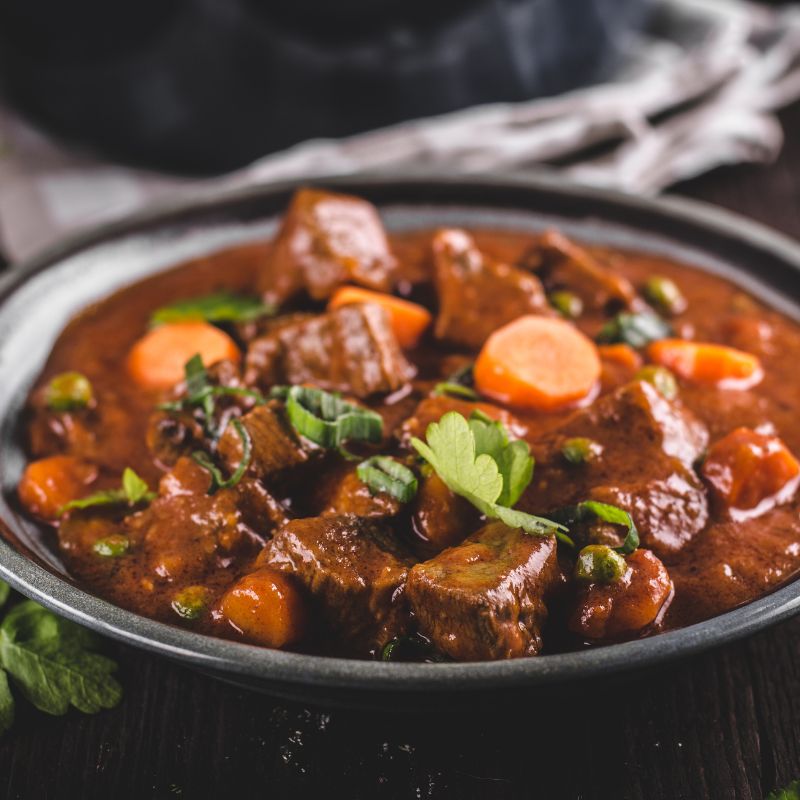
Traditional Spanish Lamb Stew: Andalusia's Hearty 17th Century Comfort Food
Imagine a dish that has warmed generations, its rich aromas telling tales of sun-drenched landscapes and centuries-old culinary traditions. This is the essence of a traditional
spanish lamb stew, a truly remarkable comfort food deeply rooted in the heart of Andalusia. Dating back to the 17th century, this hearty stew emerged from humble beginnings to become a beloved staple, embodying the spirit of Spanish hospitality and the abundance of its fertile lands. Far more than just a meal, it’s a journey through history, a celebration of key ingredients, and a testament to the power of slow cooking to transform simple components into an extraordinary feast. Whether you’re seeking warmth on a chilly evening or a lighter, flavor-packed dish for a spring gathering, this versatile stew promises a truly authentic taste of Spain.
The Soul of Andalusia in a Bowl: A Culinary History
Andalusia, a region famed for its vibrant culture, stunning architecture, and unparalleled gastronomy, is also the birthplace of some of the world's finest lamb dishes. It’s here, amidst olive groves and ancient cities, that the
spanish lamb stew truly found its footing. Records indicate that stew recipes became immensely popular among Andalusians in the 1600s, driven by a simple yet powerful force: the plentiful availability of lamb in the area. This abundance meant that even modest households could enjoy a rich and nourishing meal, transforming what might have been considered a luxury into an accessible, beloved dish.
In an era before refrigeration, stews were a practical and ingenious way to make the most of available ingredients, particularly tougher cuts of meat that benefit from long, slow cooking. The communal aspect of preparing and sharing a large pot of stew also fostered a sense of community and warmth, making it a cornerstone of family meals. The specific combination of lamb with local vegetables and signature spices quickly cemented this stew's place in Andalusian culinary heritage, a tradition that has been faithfully passed down through generations. It’s a dish that captures the resourcefulness and culinary wisdom of a bygone era, proving that the best flavors often come from the simplest, most authentic roots.
Unveiling the Essential Ingredients: Beyond Just Lamb
While lamb is undoubtedly the star, the magic of an authentic
spanish lamb stew lies in the interplay of its supporting cast. Each ingredient plays a crucial role, contributing layers of flavor and texture that elevate the dish from mere sustenance to an unforgettable culinary experience.
*
The Lamb: For the most succulent results, cuts like lamb shoulder or a good leg of lamb are ideal. These cuts, often more economical, contain enough fat and connective tissue to break down beautifully during slow cooking, resulting in tender, fall-apart meat that soaks up all the surrounding flavors. Cut your lamb into generous, bite-sized chunks to ensure they hold their shape and remain moist.
*
The Paprika Predicament: This is where many home cooks go wrong. As culinary experts will tell you, not all paprika is created equal. Forget the bland, dusty powder found in forgotten corners of your spice rack. Real Spanish paprika – or
pimentón – is a game-changer. Spain offers several distinct types:
*
Pimentón Dulce: Sweet paprika, offering rich color and a mild, fruity flavor.
*
Pimentón Picante: Hot paprika, for those who appreciate a gentle warmth.
*
Pimentón de la Vera: Smoked paprika, which imparts a profound, smoky depth that is simply indispensable in many Spanish dishes.
Using high-quality Spanish paprika, chosen for its character and flavor rather than just color, is paramount to achieving the authentic taste of this stew. Its aromatic qualities are absorbed into the broth, creating an incredibly rich and complex base. If you want to delve deeper into this critical ingredient, you'll find invaluable insights in
Master Authentic Spanish Lamb Stew: The Paprika & Red Wine Difference.
*
Wine: Here's where personal preference and seasonal adaptability come into play. While many hearty stews feature red wine, lending a deeper, robust flavor, some variations embrace white wine for a lighter, cleaner tasting stew that feels perfect for spring or summer. Both options offer a wonderful depth to the broth, deglazing the pan and contributing essential acidity.
*
Black Olives and Roasted Red Peppers: These Mediterranean jewels are non-negotiable. Black olives add a briny counterpoint, while roasted red peppers contribute a sweet, smoky undertone and vibrant color. Their presence is a hallmark of the stew's Andalusian heritage, evoking the sun-drenched flavors of the region.
*
Olive Oil: Naturally, a high-quality extra virgin olive oil forms the foundation of this dish, used for browning the lamb and softening the aromatic vegetables.
Crafting the Perfect Spanish Lamb Stew: A Journey of Flavors
The beauty of a traditional
spanish lamb stew lies in its slow, unhurried preparation. Like all great hearty stew recipes, all the ingredients are practically cooked together, allowing their individual flavors to meld and complement each other, creating a harmonious whole.
1.
Prepping the Lamb: Begin by cutting your chosen lamb cut into large, uniform pieces. Dusting them lightly with seasoned flour (salt, pepper, and a pinch of your exquisite paprika) before browning in batches in hot olive oil creates a beautiful crust and helps thicken the stew later. Transfer the browned lamb to a sturdy, ovenproof casserole dish.
2.
Building the Aromatic Base: In the same pan, add a little more olive oil if needed and gently soften finely chopped onion. This step is crucial and often rushed. Allow at least 15 minutes for the onion to become truly translucent and sweet, not just cooked. This slow caramelization forms a vital flavor base for your stew. Once softened, tip the onion over the lamb.
3.
The Liquid Gold: Pour your chosen wine over the lamb and onions, bringing it to a simmer. Stir gently to scrape up any flavorful browned bits from the bottom of the pan, allowing the wine to reduce slightly and thicken from the flour on the lamb. Then, add your rich stock, chopped roasted peppers, and black olives.
4.
The Slow Simmer: This is where patience is truly rewarded. Bring the stew to a gentle simmer on the stovetop, then drape a sheet of parchment paper directly over the surface of the food before securing the casserole lid. This creates a self-basting environment, keeping the lamb incredibly moist. Transfer the dish to a preheated oven at a low temperature, around 150°C (300°F), for at least 90 minutes, or until the lamb is meltingly tender. Many enthusiasts swear by the method of turning off the oven after this period and leaving the stew inside overnight, reheating it the next day for an even deeper, more developed flavor. This slow cooking process ensures every fiber of the lamb is infused with the rich, aromatic broth, making for the best lamb stew recipe. For more on adapting your cooking style, consider exploring
Spanish Lamb Stew: From Lighter Spring Dish to Warming Winter Meal.
Serving and Savoring: Versatility for Every Season
One of the most appealing aspects of the
spanish lamb stew is its incredible versatility. While it perfectly warms people in the cold winters of southern Spain, it can also be adapted for warmer months, making it a true year-round delight.
For a comforting winter meal, serve this hearty stew alongside creamy mashed potatoes, robust noodles, or a simple medley of carrots and peas. The thick, flavorful sauce is excellent for soaking up with crusty bread or bruschetta. Garnish with a generous sprinkling of fresh, chopped parsley for a burst of color and freshness.
When spring or summer calls for something lighter, adapt the recipe by using white wine and serving it as a brothy stew, almost like a really hearty soup, with just a slice of crusty bread on the side. This lighter, cleaner-tasting version truly shines in warmer weather, proving that lamb isn't just for cold seasons.
And don't forget the magic of leftovers! This stew often tastes even better the next day. If you have any, they can be extended with extra stock to make a robustly flavored, big soup perfect for dunking more crusty bread. This stew is not just a dish; it's an experience that stands on its own, evolving with your needs and preferences.
The traditional
spanish lamb stew from Andalusia is a culinary treasure, a dish that has gracefully endured for centuries. Its rich history, the careful selection of quality ingredients like authentic Spanish paprika, and the patient art of slow cooking combine to create a meal that is both deeply satisfying and endlessly adaptable. From its 17th-century origins to its place on today's tables, this stew embodies the warmth, flavor, and soul of Spanish cuisine. We hope you'll embrace its charm and make it a cherished favorite in your own kitchen.